
Jul 27, 2026
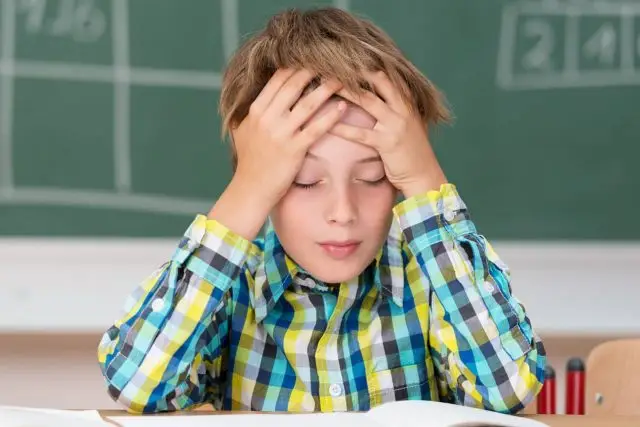
Vision plays a major role in how children learn. From reading and writing to seeing the board, using digital devices, playing sports, and completing homework, children depend on their eyes throughout the school day.
When a child has an undetected vision problem, school may feel harder than it should. They may lose focus, avoid reading, complain of headaches, rub their eyes, or seem restless during close-up work. In some cases, these symptoms may look like behavior or attention concerns when the real issue is visual discomfort.
At Comprehensive Eyecare of Virginia, LLC in Colonial Heights, our team provides pediatric eye care for children ages 5 and up, helping families understand how vision can affect learning, comfort, and confidence.
Vision Problems Can Be Easy to Miss
Children do not always know how to explain what they see. A child with blurry vision may assume everyone sees the same way. Another child may not have blurry vision at all but may still struggle with focusing, eye teaming, or tracking.
These visual skills are important for reading and classroom performance. If the eyes are not working comfortably together, a child may become tired, frustrated, or distracted during schoolwork.
Possible signs of a vision problem include:
- Frequent headaches
- Eye rubbing
- Squinting
- Covering one eye
- Losing place while reading
- Skipping words or lines
- Avoiding reading or homework
- Short attention span for close-up work
- Blurry or double vision
- Difficulty copying from the board
- Complaints of tired or sore eyes
These symptoms do not always mean a child has a vision problem, but they are important reasons to schedule a comprehensive eye exam.
Did You Know: School Vision Screenings Are Limited
School vision screenings can be helpful, but they are not a substitute for a comprehensive eye exam. Many screenings focus mainly on whether a child can see letters clearly from a distance.
That means a child may pass a screening and still have problems with near vision, focusing, eye coordination, color vision, eye tracking, or eye health. These concerns can affect reading comfort and learning even when distance vision seems normal.
A comprehensive pediatric eye exam provides a more complete view of how your child’s eyes are developing and functioning.
Vision Skills Children Need for Learning
Clear distance vision is important, but school requires much more than seeing the board. Children also need strong near vision and comfortable visual coordination.
Important visual skills include:
- Distance vision for seeing the board
- Near vision for reading and writing
- Eye teaming so both eyes work together
- Focusing ability for switching between near and far
- Tracking skills for following lines of text
- Depth perception for sports and movement
- Visual stamina for homework and screen use
When one of these skills is not working well, a child may struggle to keep up even if they are bright, motivated, and trying hard.
Myopia and Classroom Vision
Nearsightedness, also called myopia, is common in school-aged children. A child with myopia may see clearly up close but have trouble seeing the board, classroom displays, road signs, or objects across a room.
Parents may notice squinting, sitting close to the television, moving closer to screens, or complaints that faraway objects look blurry.
If myopia is progressing, regular eye exams are important. Your eye doctor can monitor prescription changes and recommend the right vision correction for your child.
Vision and Confidence
Vision problems can affect more than schoolwork. A child who struggles to see or focus may feel discouraged, embarrassed, or frustrated. They may avoid reading, rush through homework, dislike school, or act out because the visual effort feels overwhelming.
Correcting a vision problem can make everyday tasks feel easier. Glasses, contact lenses, vision recommendations, or additional care may help a child feel more comfortable in the classroom and during daily activities.
When to Schedule a Pediatric Eye Exam
Schedule an eye exam if your child is struggling with reading, focus, headaches, blurry vision, school performance, or classroom participation. It is also wise to schedule routine exams even when there are no obvious symptoms, because some vision problems develop gradually.
A comprehensive eye exam can help determine whether your child needs glasses, whether their prescription has changed, and whether their eyes are healthy.
Contact Comprehensive Eyecare of Virginia, LLC in Colonial Heights to schedule your child’s eye exam and help them get the visual support they need for school and beyond.
FAQs About Pediatric Eye Care
Can vision problems be mistaken for attention problems?
Yes. Some vision problems can cause headaches, poor concentration, restlessness, avoidance of reading, and frustration during close-up work.
Does passing a school vision screening mean my child’s eyes are fine?
Not always. School screenings are limited and may miss focusing problems, eye teaming issues, tracking difficulties, color vision concerns, and some eye health conditions.
What vision skills are important for learning?
Children need clear distance and near vision, accurate focusing, eye teaming, tracking, depth perception, and visual stamina for reading, writing, screen use, and classroom activities.
When should my child have an eye exam?
Children should have comprehensive eye exams regularly, especially if they show signs of headaches, squinting, eye rubbing, reading difficulty, poor focus, blurry vision, or school struggles.
Can myopia affect school performance?
Yes. A child with myopia may have trouble seeing the board or classroom displays clearly. Regular eye exams can help monitor prescription changes and support clear classroom vision.